Slow Web
A news reader designed to be finished. One edition per day, then it ends.
Design as removal
Slow Web is a design statement made out of what isn't there. No pull-to-refresh, no infinite scroll, no unread badge, no algorithmic ranking, no recommended-next, no AI summarization, no share prompts, no notification, no account, no cloud. Each removal is a stance about what reading is supposed to feel like and what a reader app shouldn't be doing on the user's behalf.
The positive design is what gets put back in once those are gone. A finite page that ends. Multiple human-curated voices in chronological order. Four typography-driven themes (Digest, Typewriter, Newspaper, Dense) that change the act of reading rather than the content. Liked articles, highlights, and notes that stay on the device. Editions that cache offline so the train ride or the plane is the same product as the desk.
The trade is real. Without the engagement loops the user does have to do more work to set up their channels, and the finite edition means there's nothing to pull on when boredom strikes. The design accepts that trade as the entire point.
No infinite scroll, no algorithm, no unread counts. Choose your own sources, read through them, and reach the bottom. Reading has a finish line again.
One edition. A real bottom.
Slow Web generates one edition per day from the RSS feeds you choose. A finite page, like a newspaper. You open it, read through it, reach the last article, and there's nothing below. No pull-to-refresh. No second edition. Miss a day or a week; old editions sit in the archive if you want them, but they don't ask for anything.
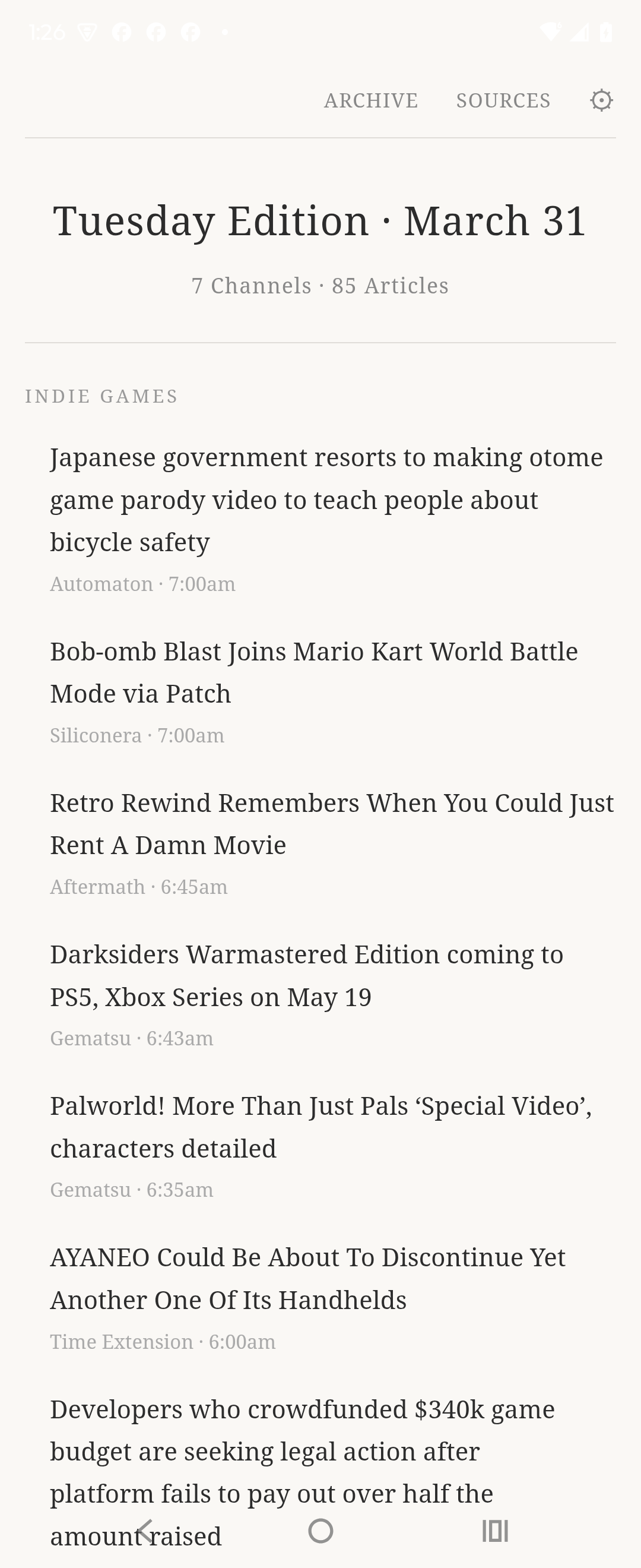
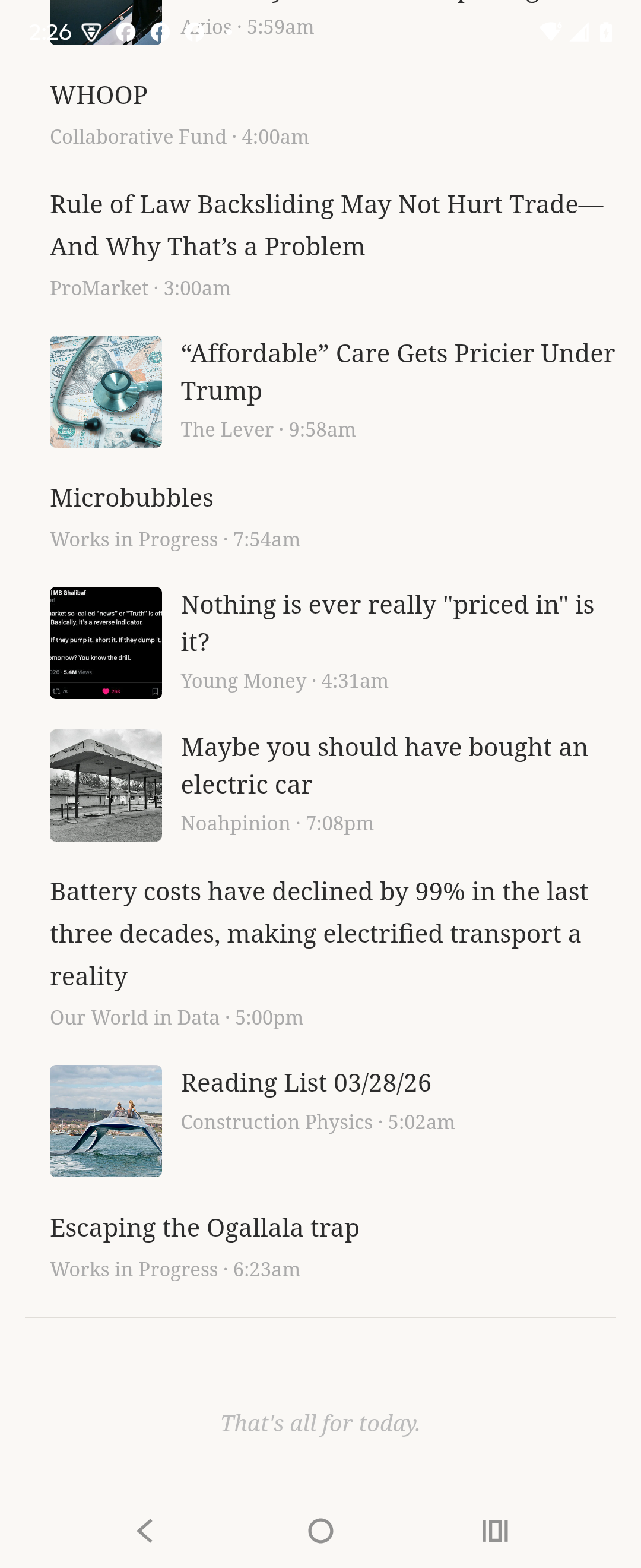
The reading experience
Clean reading view. No recommended content, no AI summaries, no share prompts. Four themes to read in: Digest, Typewriter, Newspaper, and Dense. Toggle leading images on or off in the edition view for a text-only front page. Like an article to save it; select text to highlight it and add a note. Liked articles, highlights, and notes live in your archive, on-device. No account, no cloud.
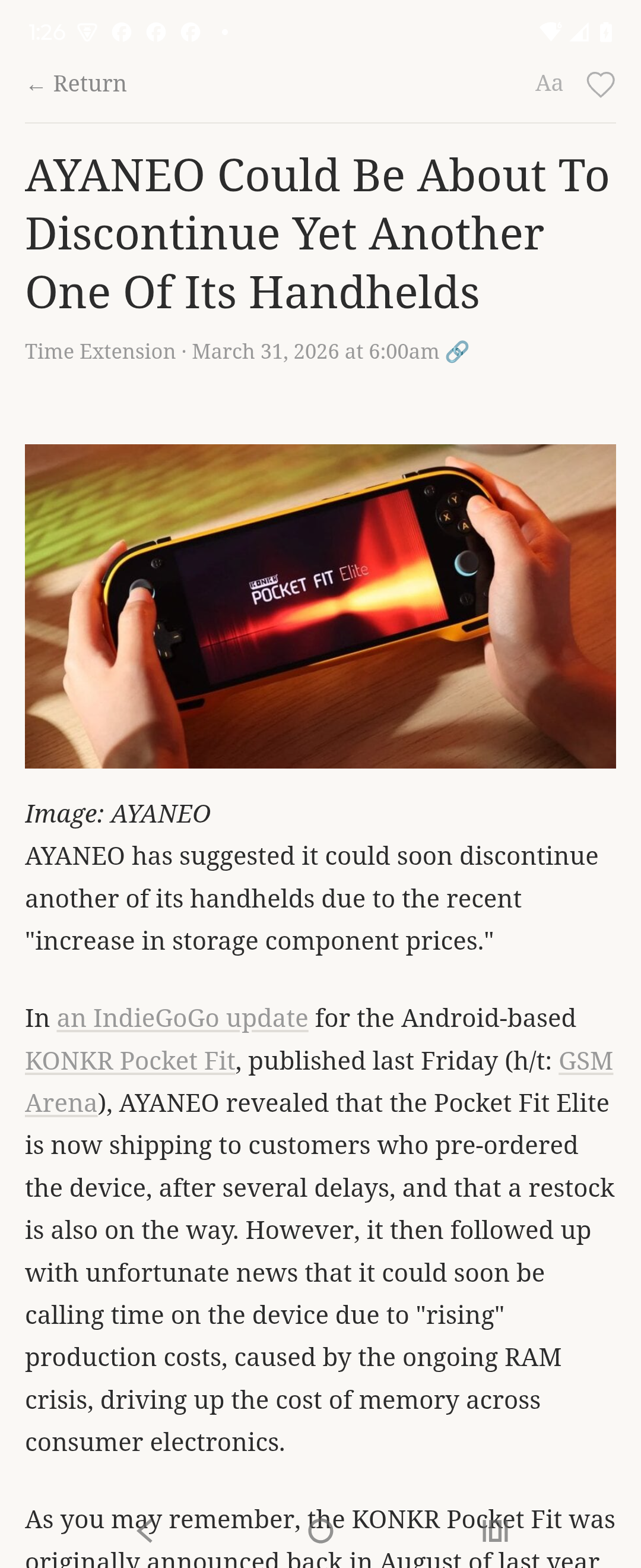
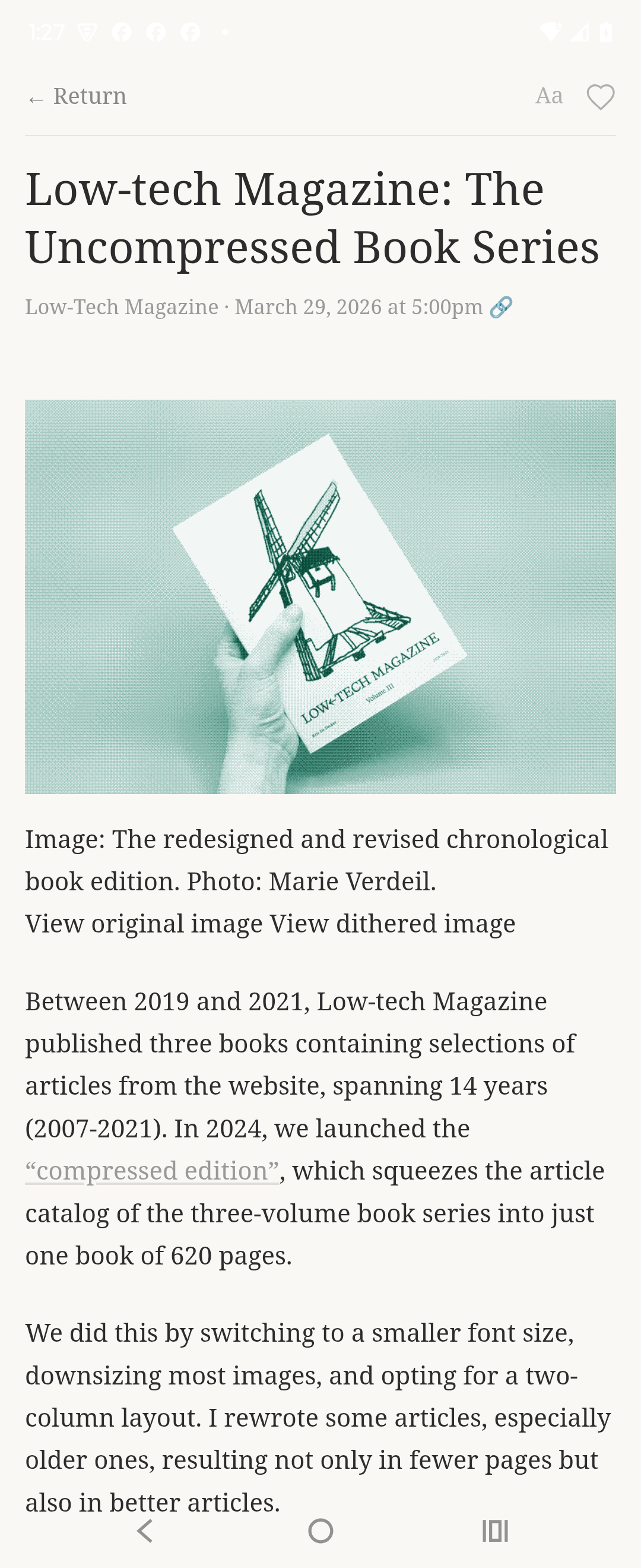
Channels, offline, and the archive
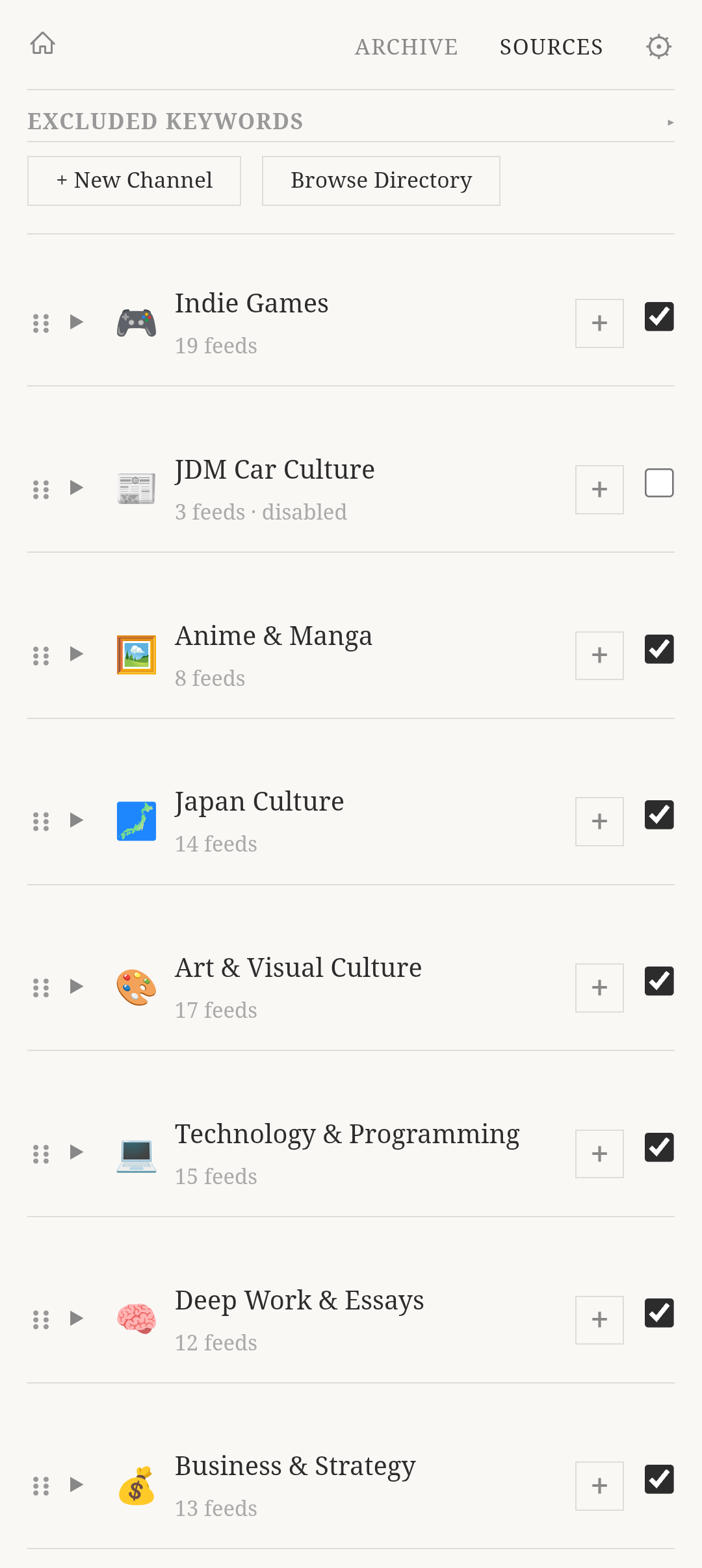
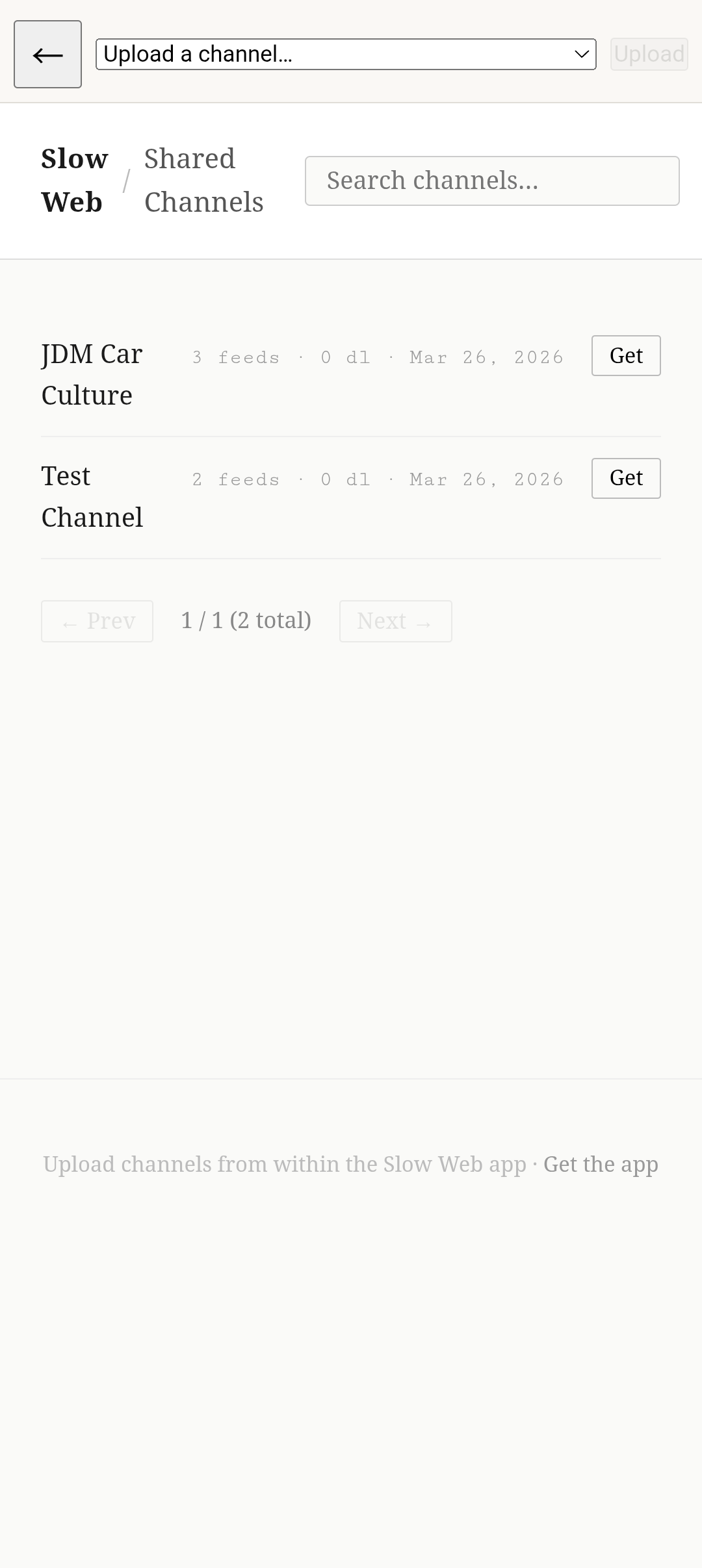
Building a feed takes some effort. You choose which voices, publications, and creators show up in your edition rather than letting an algorithm decide. Multiple points of view, human-curated, in chronological order. Channels are RSS feed bundles organized by topic. Slow Web ships with seeded channels and any user can publish their own to a shared community directory. Others browse and add it with one tap, no accounts needed. Once an edition is generated it stays on your device. Read on the train, on a plane, in a park, or come back to it a year later. Every past edition is in a searchable archive. Highlights and channel data can be exported.
Highlights
- ▶User-controlled media curation: multiple points of view from human curators, in chronological order. No algorithm deciding what you read
- ▶Offline-first: editions are generated once and stored on-device; read offline anytime
- ▶Cross-platform: Windows, macOS, Linux, and Android from a single codebase